Wednesday, January 21, 2009

blog 6


My research paper on trauma is turning out to be rather traumatizing. I am finally caught up with everything that is do and still have half my paper to write. Before I started my research I knew that war has negative effects on the mentality of survivors. My Dad admits that he was diagnosed with Post Traumatic Stress Syndrome on his return from Vietnam and I have friends from High School who after serving their tours in the Middle East did not seem quite the same, not all were changes for the worse but they were defiantly different. I find it scary how many of the returning Veterans are self destructing when they get home. Some unintentionally killing themselves via drug overdoses and alcohol poisoning while thousands commit suicide every year. It is upsetting that PTSD is the most common ailment among veterans yet the treatment for it seems to sill be lacking. This is not a new phenomenon either, it was a huge problem with Vietnam veterans and we even knew about it in WWI and WWII although it was known as shell shock then. These men and woman are risking their lives for us, I just hope that one day we will understand the human brain enough to be able to return the favor.

Blog 5


I'll be the first person to admit that I am naive. I have never had to experience racial discrimination of any significance. Perhaps this is why I had a hard time appreciating the closing jingle of Reverend Lowery’s benediction speech.
"....help us work for that day when black will not be asked to give back, when brown can stick around, when yellow will be mellow, when the red man can get ahead, man, and when white will embrace what is right."
I know that he was trying to make a joke about us finally getting to the point where we don't see race at all but I don't think he went about it right. I think we have already gotten to this point, granted there are still some racist people out there but as many as there was fifty years ago. It's almost like he is going back in time when these stereotypes would have been more applicable.

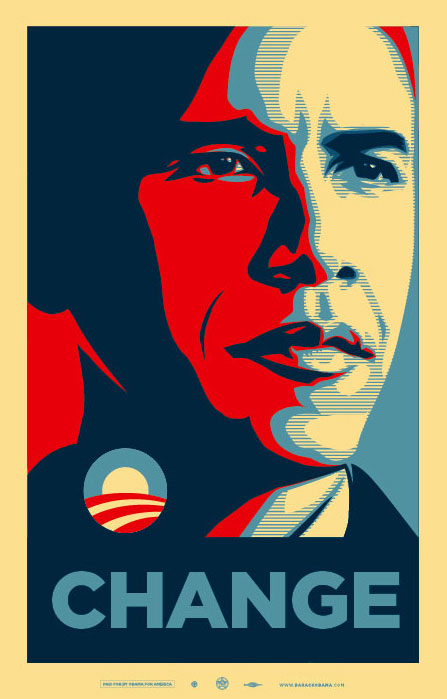
I thought Obama's speech on the other hand was excellent. Like we mentioned in class it is nice to have a president that is actually open about issues instead of ignoring or denying them. I like how he wants to mend the trust between the people and the government. His speech addressed the issues at hand. I don't know if its youth or demeanor but he does inspire hope and sort of sends the message that there is a light at the end of the tunnel.

Sunday, January 18, 2009

Blog #4

If you did not survive the Holocaust, you can never truly understand it. No matter how many times we look at the disturbing images and how much we read into the history, we will never know what it feels like to survive such a horrific event. The saddest part is that it is not over yet. Today in countries like Darfur genocide continues. Genocide has killed millions of people just since 1945. I found the display on the bottom floor of the museum captivating as it listed countries then how many people have died in one country since 1945. Well over a million have died since the Holocaust, it is like we did not even learn from it. On the bottom floor, I was also touched by the train. The captions told how the last car of the train was saved for dead bodies and it was chilling to think about how many dead people have been in that car. It was the same with the Military Museum with the tanks and the guns were I could not help but think how many people these instruments of war killed. Unlike the Holocaust Museum, the Military Museum did not even touch on the death aspect of war even though World War II was its biggest display. It is as if the Military Museum glorifies war, completely ignoring the loss of innocent lives, while the Holocaust Museum condemns war, and honors the innocent people who were ruthlessly murdered.


Wednesday, January 14, 2009

Blog #3


"What causes, trauma, then, is a shock that appears to work very much like a bodily threat but is in fact a break in the mind's experience of time," (61). This is Caruth's interpretation of Freud's explanation on what causes trauma. This makes me question how one can classify what trauma really is. In regards to this statement, I could consider the feeling you sometimes get when you are driving a familiar road and completely forget how long you have been driving or even driving over a particular stretch of road. Just a few days ago I completely forgot driving over the Skyway bridge. I hardly consider myself traumatized by the event but I would consider it as a break in the mind's experience of time. Trauma is a hard thing to define, diagnosis and treat. Winters mentions how for a long time soldiers were unable to receive compensation for post traumatic stress disorder. In a way I can understand this because it is difficult to treat as she says. There is therapy and drugs but neither one is one-hundred percent effective. Not to mention you cannot just take a pill to make everything go away, you have to deal with your emotions and a lot of the time no one can help you with that but yourself.
http://www.youtube.com/watch?v=UE_aItk1HJ0

Saturday, January 10, 2009

Blog #2

The trip to the Armed Forces Military Museum was interesting. The thing that captured my attention the most was the propaganda posters from World War II, which was conflict the museum focused on. Not only where there some that pushed men to join the army but there were also posters for the men over seas and the woman and children who remained at home.
This particular one was not at the museum but there were others encouraging men to enlist.
This one was at the museum. It struck me because it demonstrates the fear that both the men over seas and women at home were experiencing. Like we mentioned in class, World War II may have been popular because no one knew much of what was going on just what the government was allowing us to know. Today there is still a lot we do not know but we see images everyday of what is going on instead of having everything being hush hush.

One of the last displays in the museum had a display of the propaganda posters directed to the people who were on the home front. There were a few which were encouraging people to buy victory bonds and grow their own gardens to support the troops. There was quite a few that almost threatened people not to waste. I know that this had a deep psychological affect on the people at home. The worst thing you could do to my Dad is waste food. You can never throw anything out no matter what, everything must be eaten. Even sixty years later people are still affected by this. I could not find any of the ones they had at the museum but this one struck me.

It seemed that the museum portrayed the Americans only as the hero's. I can understand that with the World War II display but I think it would be interesting to go back and see how they display the Vietnam War, the Korean War, and out current war. Unlike WWII, the wars not yet on display were/are, not popular wars.

One display that really struck me was Saddam Hussein standing next to an American soldier holding a Mars Bar. I found it disturbing that they not only Americanized him by placing a Mars Bar in his hand but also making it seem as if him and the American soldier were friends when reality he was one of America's main enemies when this was started.

http://www.youtube.com/watch?v=-wiVkdVPGoY

Thursday, January 8, 2009

We all get attached to our homes, it becomes our safety net. When that is suddenly taken away we experience trauma. According to Caruth, Freud experienced this trauma when he was forced to abandoned Austria and the Jews experienced it when they left Egypt. Although not nearly as traumatic, I experienced trauma during the summer when my lease was up. For over a year my roomates and I had lived together peacefully then all the sudden we were forced to separate and go our own ways for school. I was forced to put the majority of my stuff in storage and live between my Mom's house and my Aunt's house to save up money before signing another lease in the failing economy. For a few months I felt displaced and not at home in either of my homes. Although material items are unimportant in the long run, having them suddenly yanked from you hurts. During the Holocaust they knew they would never see anything they owned again, not even the keepsakes, this must have added to the trauma they experienced. Even if someone was completely unaffected by material items, they did not even know how their loved ones were and if they were alright. I know I was just affected by not seeing the people I cared about everyday and I knew they were just fine.

Can loss of wealth be considered a trauma? People everywhere are losing their jobs and cannot find new ones, no longer able to provide for themselves or their family. Family owned shops are closing their doors and even corporations such as Circuit City or Kmart are closing the doors on many of their stores. There is an excessive amount of forecloses and people are being forced from their homes. Even if you do everything you can possibly do you still stand a chance to lose everything.